
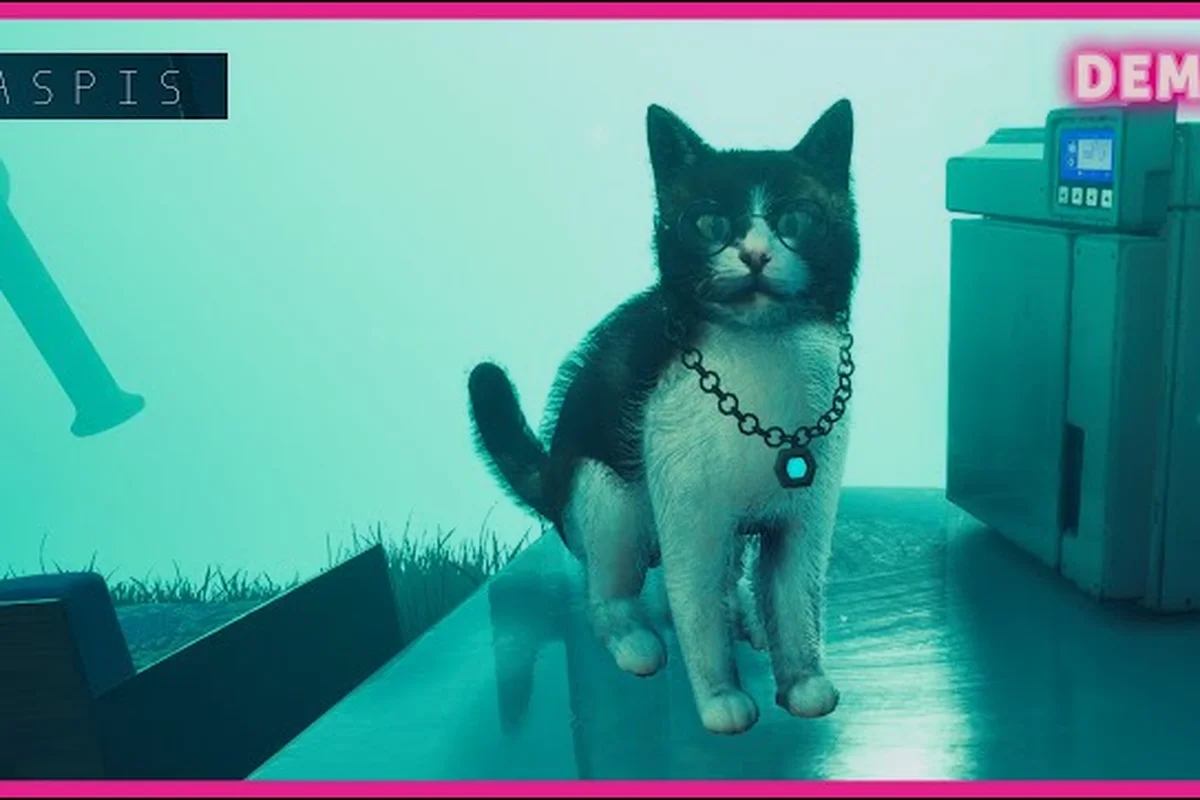
The ASPIS KGB combination lock is a timed puzzle, so memorizing a code is only half the challenge. Learn the documented 90-second achievement condition, avoid a failed attempt, and continue toward the warehouse, underground complex, and related system locations.
For the official achievement data, see the ASPIS Steam achievement list.
ASPIS KGB Combination Lock: What the Official Achievement Confirms
The official ASPIS achievement list confirms that the combination lock is located in the KGB building and must be opened in under 90 seconds. That target matters because the ASPIS KGB combination lock is not a standard code door where an incorrect entry only costs a moment; speed is part of the achievement challenge.
The achievement is often described as “That Was Easy,” and its unlock condition establishes two separate requirements: find the correct combination and enter it before the timer expires. Official material does not publish the digits, a general solution formula, or a room-by-room code chart, so a trustworthy walkthrough should explain the puzzle’s logic rather than invent a code that is not officially documented.
| Confirmed detail | What it means for the puzzle |
|---|---|
| Lock location | The KGB building |
| Achievement target | Open the lock in under 90 seconds |
| Consequence of a wrong entry | The attempt fails and must be restarted |
| Published code digits | Not provided in official material |
| Relevant environment | A controlled Soviet-era industrial complex |
The 90-second opening target is the only official timing figure associated with this challenge. Keep that distinction clear because community descriptions of the room may include additional observations that have not been confirmed by the developer. The safest route is to understand the sequence, prepare the controls before approaching the lock, and complete the entry in one clean run.
How to Prepare for the ASPIS Combination Lock Puzzle
The most common failure is beginning with the lock already open and the timer already running. Treat the panel as a timed interaction with several stages: reading the required information, determining the order, entering the values, and confirming the result. If those stages are performed while the clock is active, even a correct answer may arrive too late.
Watch the room before touching the mechanism. Note where each clue appears, whether the clues must be entered in a particular order, and whether an adjacent device, diagram, or environmental object supplies the needed value. In this part of ASPIS, careful observation is more reliable than random experimentation because failed attempts are the clearest sign that the rule was misread.
| Preparation step | What to verify before the timer starts |
|---|---|
| Clear the interaction path | Make sure no obstacle blocks the lock panel |
| Identify every clue | Look for labels, symbols, diagrams, and nearby machinery |
| Learn the control order | Confirm how each input is selected and submitted |
| Remove interruptions | Pause only before beginning the timed sequence |
| Keep a clean first attempt | Avoid experimentation once the challenge begins |
The first-attempt principle is especially valuable in the ASPIS combination lock puzzle because hesitation can become as costly as an incorrect code. Read the mechanism while the timer is stopped, formulate the answer, and then begin with every required input ready.
For broader guidance on reading unusual mechanisms in the same system, the Aspis Object Transfer Puzzle guide explains how other machine-based interactions reward close observation of the intended process. That same transfer logic is useful in the ASPIS combination lock puzzle: if a code appears on a separate terminal, panel, or nearby machine, identify which object supplies each value, then verify whether the symbols indicate a sequence rather than a simple set. A misplaced value can make an otherwise correct combination fail, so comparing all candidate symbols before starting the timer prevents wasted attempts.
Ordering Plausible Values Before the Timer Starts
A timed combination puzzle often presents values that are individually plausible but incorrect when placed together. The distinction often comes from sequence: the first clue may define the operation, the second may provide the input, and the third may indicate the resulting position or direction. Treating all clues as equal numbers can lead to a failed entry even when the room contains enough information for a solution.
Look for relationships rather than isolated digits. Ask what changes between the objects, which object sits before another, which sign or direction is repeated, and which value is absent. If the clues are arranged vertically or around the lock, their physical placement may indicate the intended order. A reliable solution should explain why every entered value belongs in its position.
| Clue pattern | Likely question to ask |
|---|---|
| Several symbols or digits | Which one comes first, last, or at a stated position? |
| Two contrasting objects | Which one is excluded or determines the order? |
| Repeated directional sign | Which direction is the mechanism asking for? |
| Number plus object | Does the number describe quantity, order, or distance? |
| Machinery with multiple states | Which state was established earlier? |
Treat these patterns as observation prompts for this specific ASPIS combination lock puzzle, not as a universal code formula. In the ASPIS underground complex and the ASPIS OGAS terminal areas, the lock’s clue arrangement may combine symbols, machinery states, and directional indicators, so a plausible number sequence can still be wrong if it ignores the displayed order. For example, a directional sign may specify a movement before a number supplies the input value, while a contrasting object marks the excluded position. Verify every value against the lock itself and the surrounding ASPIS warehouse fire clues; successful entry depends on explaining the intended order, not merely finding a matching combination.
Solving the KGB Building Lock Under 90 Seconds
Begin only after you have inspected every clue and mapped the complete sequence. Watch the actual input method closely: if the lock requires cycling through symbols, confirming each position, or selecting a separate submit control, each action is part of the clock. Knowing the answer but taking too long to navigate the interface still fails the achievement condition.
Move directly to the panel, apply the rule from the clues, and enter the combination without testing alternatives. If the mechanism appears to require a physical action elsewhere in the room, complete that action first. The achievement wording supports the timed sequence, but official material does not reveal every intermediate input, so players should use the on-screen prompts rather than assume a fixed button order.
| Puzzle phase | Efficient action | Common mistake |
|---|---|---|
| Review | Identify the complete rule before interacting | Starting while still searching |
| Sequence | Translate clues into a single ordered answer | Using only a subset of the clues |
| Entry | Enter each value in the intended order | Skipping confirmation or submit inputs |
| Verification | Wait for the lock to open | Moving away before success registers |
| Reward | Confirm the achievement unlocks | Assuming an opening guarantees the timer target |
The ordered answer is the centerpiece. Do not change the order after the panel accepts the first value unless a prompt explicitly says you may. Once the mechanism begins its response sequence, interrupting it risks invalidating the attempt and forces another run.
What Happens if You Enter the Wrong Combination?
A wrong combination invalidates the current attempt. Return to the clue-reading phase, identify which relationship you misread, and start the interaction again with a corrected sequence. Because the achievement requires an opening in under 90 seconds, the retry must include the time spent correcting your logic, not just the final keypad entry.
Common causes of failure include reversing the order, treating a directional symbol as a number, overlooking the clue that marks the final position, and failing to press the actual confirmation control. If the panel provides feedback after a wrong entry, use that feedback to eliminate one interpretation rather than cycling through every possible arrangement.
| Failure pattern | Likely interpretation |
|---|---|
| Rejected immediately | The first value or the rule itself is wrong |
| Several inputs accepted, then rejection | One later position is incorrect |
| Correct values but no success | A submit or confirmation action was missed |
| Success after a long hesitation | The lock opened, but the 90-second target was missed |
| No response despite correct values | The mechanism may require a separate room action |
The attempt reset is cleanest when performed immediately. If the failed sequence has left the controls in an odd state, release or cancel the active input before trying again. This prevents a partially entered answer from carrying into the next attempt.
From the KGB Building to the Warehouse Fire
Solving the ASPIS KGB combination lock opens the route beyond the building, but it is not the end of the exploration chain. Continue following the objective prompts through the documented KGB building, warehouse, tunnels, and underground complex areas. The precise order of every transition is not published in an official linear guide, so the best approach is to clear the current room and follow newly available objectives.
The warehouse environment introduces a new hazard: fire. The relevant aspis warehouse fire is a traversal and environmental problem rather than another numeric code puzzle. Treat flame as an active obstacle, watch where smoke and burning areas spread, and choose a path that keeps movement predictable. If the fire blocks a doorway, look for an alternate route, a nearby control, or an environmental solution before trying to force through it.
| Location | Main challenge | Practical focus |
|---|---|---|
| KGB building | Timed combination lock | Prepare the answer before interacting |
| Warehouse | Fire and blocked routes | Read the environment before crossing |
| Tunnels | Tight passages and underground navigation | Keep objectives visible and check side routes |
| Underground complex | System-driven exploration | Follow prompts and inspect terminals |
The warehouse fire changes how movement should be planned. Sprinting blindly through smoke can cost more time than it saves, while standing near flames or smoke can make the route harder to read. Move in short bursts, use clear sightlines, and prioritize openings or controls that visibly affect the hazard.
A broader Aspis All Episodes walkthrough can help place the KGB building within the broader sequence through the Institute of Cybernetics and underground locations, while this guide focuses on the lock and the route that immediately follows it.
Handling Fire Without Losing the Main Objective
First identify what the fire changes. It may block a direct path, reduce visibility, threaten an interactable object, or signal that another route must be taken. Check nearby machinery and doors before committing to a route through the flames. A visible control is usually more dependable than assuming the hazard will disappear on its own.
After passing the initial hazard, revisit the room. Fire can conceal interactable objects or alternate paths that are difficult to notice during the initial rush. Search from the perimeter first, then move toward the center only if the route remains safe and visible. This method reduces the chance of overlooking a clue or collectible in a darker section of the warehouse.
Navigating the ASPIS Underground Complex
The underground complex continues the systems-focused progression of ASPIS, but its layout should be treated as an exploration chain rather than a numbered chapter. Follow objectives, inspect unfamiliar machinery, and check terminals for interactions that may open routes or clarify the next task. The broader Aspis Ogas Terminal Guide covers the red corridor, Red World, island route, and portal-related progression in more detail.
The aspis underground complex is a documented location rather than a formally named chapter. That distinction matters when reading guides: references to “the underground complex” or “the tunnels” may describe the same connected route from different angles, while the warehouse is a separate environmental stage tied to the fire sequence.
| Navigation principle | Application underground |
|---|---|
| Objective-first movement | Follow the active task instead of exploring blindly |
| Examine interaction prompts | Check terminals, doors, valves, and powered devices |
| Preserve the exit path | Turn around before entering a one-way-looking passage |
| Compare the environment | Look for changed doors, machinery, or lighting after an interaction |
| Record optional branches | Note side routes that may contain resources or useful views |
The terminal interaction is a recurring anchor in the underground route. Terminals may display instructions, allow a system to be powered, or reveal the next route, but the official material does not publish a universal terminal code. Use the terminal as designed and connect each instruction to nearby machinery rather than expecting every screen to follow the same pattern.
Connecting the Underground Route to the Ogas Terminal
The ASPIS Ogas terminal is part of a wider web of system locations rather than a standalone code dispenser. If your route seems blocked, inspect whether a nearby device must be activated before the terminal accepts the relevant interaction. The wider Aspis Project overview provides useful background on ASPIS, OGAS, the KGB connection, and the 1987 setting without pretending that the lore page contains undocumented puzzle solutions.
| Symptom | Likely next check |
|---|---|
| Terminal interaction does nothing | Look for a nearby power source or activation sequence |
| A door remains closed | Search for another control in the connected room |
| Objective seems unclear | Inspect recent environmental changes and interactable prompts |
| The route loops back | Check for side passages and alternate vertical access |
| The Red World becomes relevant | Review red corridor and portal interactions |
The OGAS route should be approached as a chain of cause and effect. Activating a machine, opening a path, and reaching a terminal may be separate steps even when they occur close together. When one interaction produces no visible result, check the room for the consequence instead of repeating the same command immediately.
Achievement, Troubleshooting, and Route Checklist
The clearest checkpoint is the official combination-lock achievement. Once you open the KGB building lock in under 90 seconds, it should unlock. If it does not, complete another clean attempt rather than assuming the puzzle is permanently unavailable. This avoids conflating two possible problems: a wrong combination and a correct combination entered too slowly.
| Checkpoint | Expected result | What to do if it fails |
|---|---|---|
| Clues understood | You can explain the sequence | Return to the room and test relationships |
| Combination entered | Lock opens | Recheck order and confirm the submit action |
| Achievement unlocks | “That Was Easy” appears | Retry the full sequence within 90 seconds |
| Exit opens | You can leave the KGB room | Follow the new objective prompt |
| Warehouse reached | Fire becomes the main obstacle | Search for a safe route or control |
| Underground route reached | Tunnels and complex open for exploration | Follow terminals and connected objectives |
The full attempt reset covers the entire timed challenge. Starting the clock, entering several values, realizing the order is wrong, and then correcting it cannot count as a clean 90-second run. Leave the panel, restore the puzzle to its initial state, and begin again with the solution already prepared.
A Clean Run Checklist
For the Aspis KGB combination lock, treat the preparation phase as a separate operation from the timed sequence: use the pre-climb context to identify the exact symbol, rotation direction, and required number of full turns for each input. Even a small mismatch can leave the combination panel unresponsive, so a quick visual check of the lock face and the final confirmation state is more valuable than trying an extra combination after the clock starts.
-
Read every clue before touching the combination panel.
-
Explain the rule in plain language to confirm that it makes sense.
-
Map the order from first input to final confirmation.
-
Position yourself so the panel and required controls are immediately accessible.
-
Enter once without experimenting or revisiting a previous value.
-
Confirm the opening and let the achievement register.
-
Continue outward through the KGB building toward the warehouse and underground complex.
The 90-second target is the practical benchmark, but avoiding wasted actions is more reliable than rushing blindly. A deliberate preparation phase before the clock begins is not counted as part of the timed interaction, while uncertainty during the active sequence is.
Frequently Asked Questions
Does the ASPIS KGB combination lock have a fixed published code?
No official ASPIS material reviewed for this guide lists the combination digits or a direct code chart. The official achievement confirms the lock’s location and the under-90-second target, so the reliable method is to inspect the room, infer the rule, and enter the values in the correct order.
Why did my correct combination fail to unlock the achievement?
The most likely causes are an incorrect input order, a missing confirmation action, or exceeding the 90-second target after the timer began. Restart the entire attempt, confirm the sequence while the panel is inactive, and then complete the entry in one uninterrupted run.
Can I solve the ASPIS combination lock puzzle by brute force?
Trying random values on the ASPIS KGB combination lock is inefficient and risks wasting the 90-second attempt. Because a wrong entry invalidates the run, inspect the puzzle’s clues, determine how the values relate, and use the combination panel’s feedback to refine your interpretation before entering another sequence.
What should I do after opening the KGB building lock?
Continue through the route unlocked by the combination panel and follow the active objective toward the warehouse, where fire becomes an environmental obstacle. From there, progress through the tunnels and the ASPIS underground complex while examining terminals, machinery, and alternate paths.
Where is the ASPIS Ogas terminal in the route to the underground complex?
Official material names OGAS terminals and the underground locations but does not publish a complete numbered route. After entering the underground complex, inspect available terminals and connected machinery, and use the Aspis Ogas Terminal Guide for the specific red corridor, Red World, island, and portal interactions.