Puzzles
ASPIS puzzle guide for PEP-01: capture and move Energy X, power machinery, understand X-spheres and open astral windows between layers of reality.
Introduction
The puzzle layer in ASPIS hangs on one device. The PEP-01 captures X-spheres, interacts with Energy X and opens astral windows between layers of reality. Almost every later room recombines those three verbs: move energy into a mechanism, move an object to a different layer, or stand in one layer while reaching into another. Official material describes the system but never publishes a puzzle list, a code table or a difficulty curve. This section therefore teaches the grammar of the puzzles rather than pretending each room has a unique trick. Once you recognise which verb a room is asking for, most blocked doors stop looking like dead ends.
PEP-01 System Reference
| System | What it does | How to use it | Common mistake |
|---|---|---|---|
| Energy X | Powers machinery and changes mechanism state | Capture, carry, release into the target | Leaving a mechanism unpowered and hunting for a key |
| X-spheres | The pickups the device collects | Single press since the demo patch | Holding the button out of habit from old footage |
| Astral windows | Openings between layers of reality | Look for visible-but-unreachable objects | Treating a window as decoration |
| OGAS terminals | Records, context and some puzzle state | Read and interact with the terminal surface | Skipping text that explains the room |
| Spatial relocation | Combines the above into one route | Move object, change layer, take the new path | Guessing codes instead of moving geometry |
System Breakdown
Energy X
Fuel for machinery and mechanisms
X-Spheres
The pickups the device collects
Astral Windows
Openings between layers of reality
OGAS Terminals
Records, context and puzzle state
Spatial Relocation
The combined puzzle grammar
Core Mechanics
The core loop is relocation. First identify what is physically out of reach: a ledge, a switch behind bars, a door with no handle on your side. Second, check whether an astral window shows that space from another layer; if so, the object may be reachable from the other side even though the wall is solid where you stand. Third, check whether the mechanism that moves the wall or lift has power. Energy X is the fuel, and X-spheres are what the PEP-01 collects. The game rarely combines all three in one step, so break the room into smaller verbs. If none of the verbs apply, the answer is usually a document or terminal interaction rather than a hidden keypad.
Advantages
Understanding the vocabulary makes ASPIS puzzles feel fair. The game does not hide the rules; it hides the order. Once you know that astral windows are for reaching across layers and Energy X is for powering mechanisms, a new room becomes a short checklist rather than a guessing game. That approach also survives patches, because it depends on system behaviour rather than a specific object placement that an update might move. It is especially useful for players who dislike pixel hunting: instead of scanning every surface for a key, you can ask which of the three verbs the room has not used yet.
Challenges
The weakness is that official material gives no puzzle names, no code answers and no difficulty options. That means a written guide cannot responsibly give you a universal solution table the way a game with fixed, documented puzzles might. Object placement can also change between the demo and the retail build, and the X-sphere input changed from holding a button to a single press. If a video shows a solution that no longer works, the mechanic may still be correct while the specific object or timing has moved. Always verify the current build before concluding that a puzzle is bugged.
Frequently Asked Questions
How do I capture X-spheres?+
What are astral windows for?+
Is there a hint system?+
Quick Tips
Before touching anything in a new room, stand still and list what you can see but cannot reach. That single habit identifies most astral-window puzzles before you waste time testing every door. If nothing is visibly out of reach, the room is probably asking for Energy X or a terminal interaction instead of a layer change.
Treat an unpowered mechanism as a statement, not a setback. If a lift, door or machine has no power, the game is usually telling you that Energy X must be moved before the route opens. Search for a sphere or a transfer point nearby rather than assuming the missing piece is a key hidden in another room.
Do not copy demo-era input timings. The X-sphere capture changed to a single press, and the OGAS terminal interface was rebuilt before launch. When a video solution fails, assume the interaction changed rather than that your game is broken, and test the current prompt shown on screen before abandoning the room.
Featured
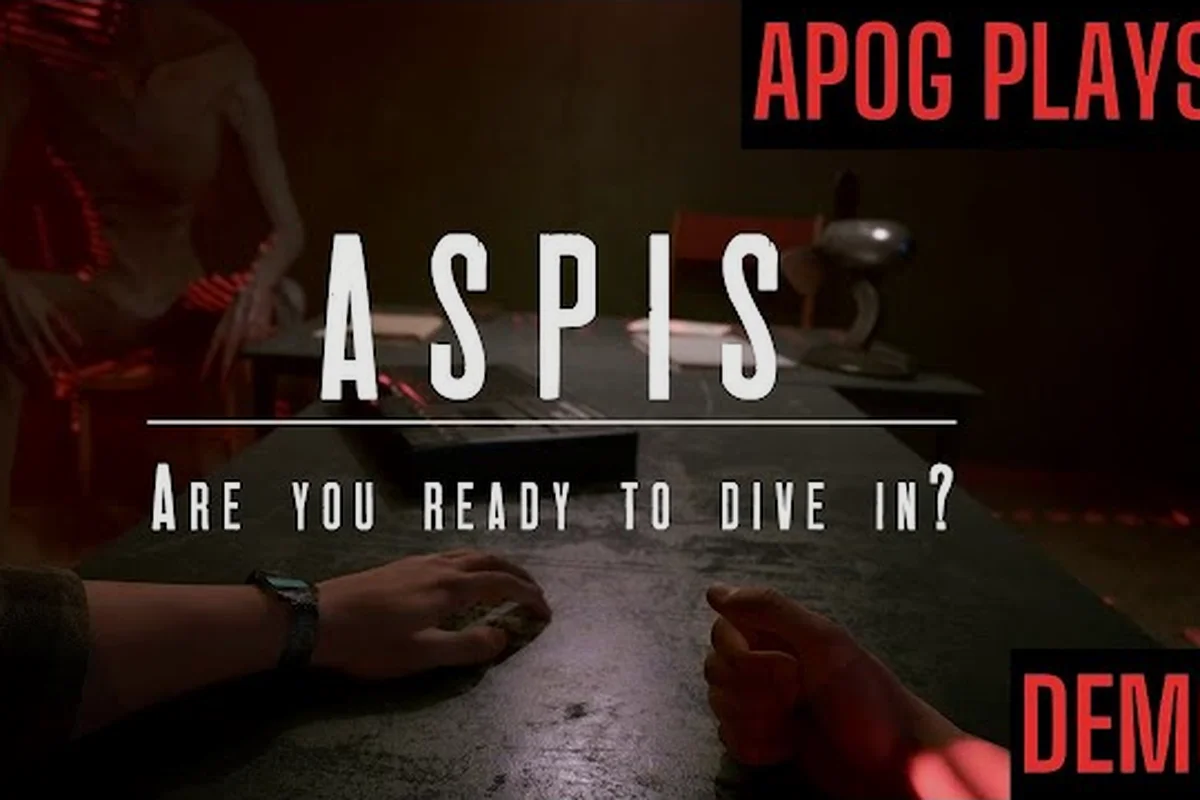
ASPIS Environmental Puzzles: Power and Relocation
ASPIS environmental puzzles are built on powering machinery, changing mechanism states and relocating objects between layers, not on code guessing.

ASPIS How to Capture X-Spheres With One Press
Learn ASPIS how to capture X-spheres using the documented single-button press, a change recorded in an official demo technical update.
ASPIS How to Open Locked Doors With PEP-01
Learn ASPIS how to open locked doors through documented mechanics: power a machine, change a mechanism state and check another layer of reality.
All Articles
ASPIS How to Read Documents, Records, and Logs
Learn ASPIS how to read documents for story context and puzzle clues, since records and terminals carry the narrative instead of a narrator.
ASPIS No Hint System: Records as the Only Guide
Official material describes no ASPIS hint system. Learn how documents, records and OGAS terminals deliver the context needed to keep moving.
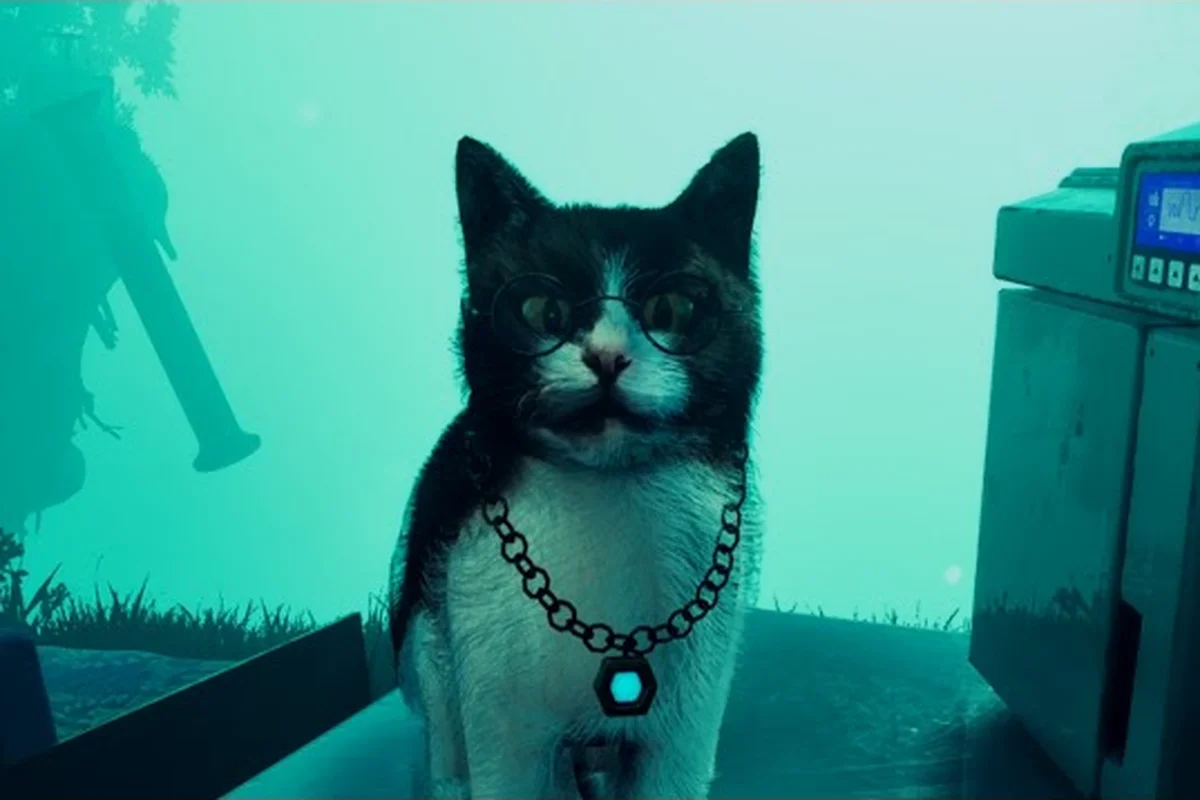
ASPIS Object Transfer Puzzle: Energy X and Layers
The ASPIS object transfer puzzle uses PEP-01 to move Energy X and retrieve objects from another layer of reality. No code answers exist.
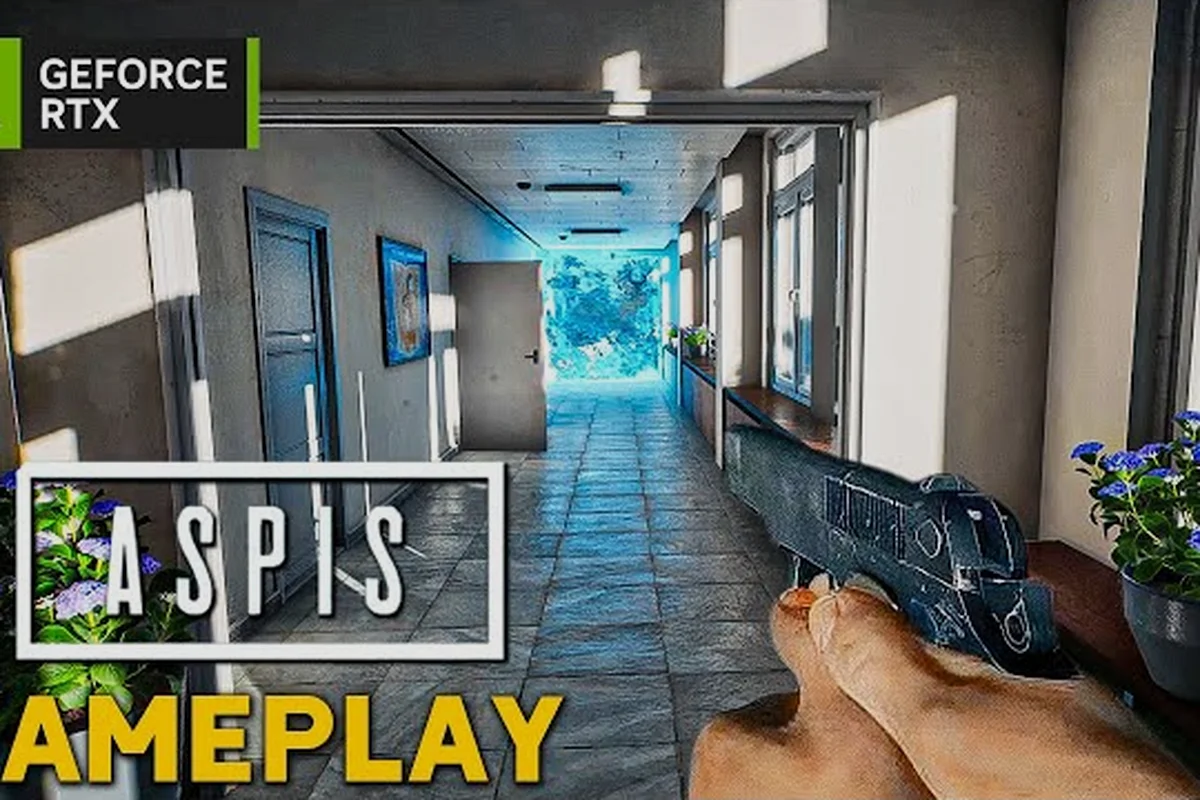
ASPIS Puzzle Guide: PEP-01 and Spatial Logic
This ASPIS puzzle guide explains the documented loop: capture Energy X, power machinery, and open astral windows to move objects between layers.